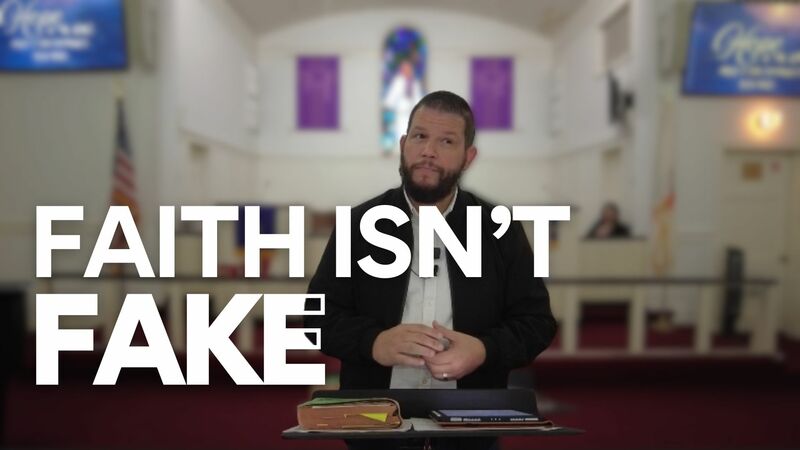
What does real faith look like when life falls apart? In this message from the book of Book of Lamentations, we explore an important truth: faith is not pretending everything is fine. The Bible is surprisingly honest about pain, grief, and suffering. If you're struggling, grieving, or wondering where God is in difficult moments, this message is for you.
Opening Prayer
Begin your time together by inviting God's presence. Ask the Holy Spirit to help group members be honest about their struggles and open to experiencing hope even in difficult circumstances.
Ice Breaker
Share a time when something good grew out of a difficult situation in your life—even if it was just something small.
Sermon Summary
This message explores how biblical faith doesn't require us to pretend everything is okay. Using Lamentations 3 and the image of flowers growing through the ash after Mount St. Helens erupted, we discover that hope isn't about denying our pain—it's about remembering God's faithfulness even while we're still sitting in the ashes.
Key Scripture
"The steadfast love of the LORD never ceases; his mercies never come to an end; they are new every morning; great is your faithfulness." — Lamentations 3:22-23
Discussion Questions
Understanding the Message
-
What stood out to you most from this sermon? Why?
-
The sermon states, "Faith is not pretending everything is okay." How does this challenge or confirm your understanding of what it means to have faith?
-
What's the difference between optimism and "stubborn hope" as described in the sermon? Can you think of biblical examples of stubborn hope?
Personal Reflection
-
The pastor mentioned that "you are a preacher" to yourself, your family, and others. What messages are you currently "preaching" to yourself about your circumstances?
-
Jeremiah sat in literal ashes when he declared God's faithfulness. Have you ever experienced a time when you had to choose to remember God's faithfulness despite your circumstances? What was that like?
-
The sermon warns against rushing people through their grief. Have you experienced this—either being rushed yourself or rushing someone else? How did that impact the healing process?
Going Deeper
-
Read Lamentations 3:19-24 together. What does Jeremiah remember in verse 21 that changes his perspective? How can we practice this kind of remembering?
-
The fireweed flower that grew through Mount St. Helens' destruction was called a "pioneer species"—it prepared the ground for more life to return. How might God be calling His people to be "pioneer species" in devastated places today?
-
The sermon ends by acknowledging that many of us are "still sitting in the ashes." Why is it important for the church to make space for people who are still hurting rather than only celebrating those who've "made it through"?
Key Takeaways
✓ Faith doesn't require us to fake being okay—the Bible is honest about pain and suffering
✓ Hope begins when we choose what story we remember about God, not when our circumstances change
✓ We need to give grief permission to speak before rushing to hope
✓ God's mercies are new every morning—even when we're still in the ashes
✓ Hope is stubborn—like a flower pushing through rubble, refusing to die
Practical Applications
This Week's Challenge
Choose one of the following to practice this week:
OPTION 1: Practice Honest Prayer
- Set aside 10-15 minutes each day to bring your full self to God in prayer—including anger, confusion, grief, or disappointment
- Don't edit yourself to sound more "spiritual"
- Journal about what it feels like to pray with this kind of honesty
OPTION 2: Preach to Your Soul
- Write out three specific ways God has been faithful to you in the past
- When you feel overwhelmed this week, read these aloud to yourself as a reminder
- Add to the list as you remember more
OPTION 3: Create Space for Someone Else's Grief
- Reach out to someone you know who is struggling
- Instead of offering quick solutions or spiritual platitudes, simply listen
- Ask: "How are you really doing?" and wait for an honest answer
- Resist the urge to "fix" their pain
OPTION 4: Look for Pioneer Growth
- Identify one area of your life that still feels like "ashes"
- Look for even the smallest sign of hope or growth—no matter how insignificant it may seem
- Thank God for that small beginning and ask for patience as healing continues
Closing Reflection
Read together as a group:
"The steadfast love of the LORD never ceases; his mercies never come to an end; they are new every morning; great is your faithfulness." — Lamentations 3:22-23
Reflect silently: What does it mean for you personally that God's mercies are "new every morning"—not just once, but every single day?
Prayer Prompts
Close your time by praying for one another. Consider these prompts:
- Pray for anyone in the group who is currently "sitting in the ashes"
- Ask God to help each person remember His faithfulness when circumstances are difficult
- Pray for stubborn hope to grow in areas that feel dead or devastated
- Thank God that His love never ceases and His mercies are new every morning